
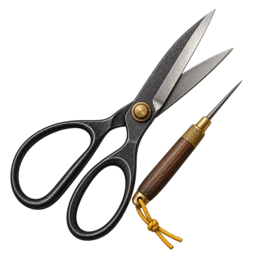
Use a manageable thread length
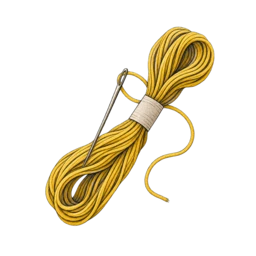
A longer strand is not automatically more efficient. It travels through the cloth more times, has more opportunity to twist and can become worn before the row is complete.
Cut a length that lets you finish a useful section without dragging an excessive amount through the fabric. Save the longer skein for continuity, not for forcing one strand to do everything.
Let the thread untwist as you work
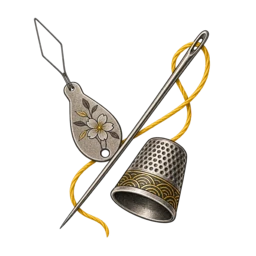
Pause when the thread begins to coil and allow the needle to hang so the strand can unwind. Do not pull a knot through the cloth; it can abrade the fibres and leave a hard mark.
Check that the needle eye is smooth and large enough for the thread. Repeated rubbing at a tight eye can create fuzz even when the stitching method is sound.
Change the cause rather than hiding the symptom
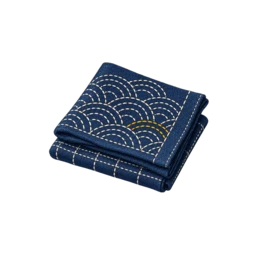
If the same problem returns, test a shorter length, a different needle or a slightly less dense pattern on a scrap. Changing all three at once makes it harder to know what helped.
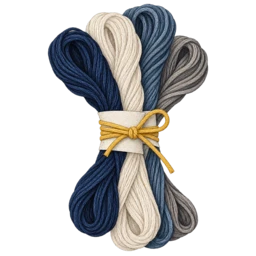
Store the thread so it can be pulled out in a controlled direction. A tidy bundle is easier to use than a loose ball that has already acquired several twists.