
Check the needle and route
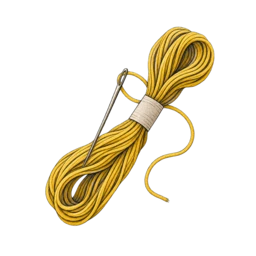
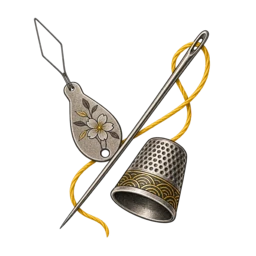
A damaged eye or bent point can nick the thread on every pass. Replace the needle if the eye catches a fingertip or if the strand repeatedly breaks in the same place.
Pull the thread through the cloth in a smooth line. Sharp changes of direction, dense layers and rough printed areas can add friction that the thread cannot tolerate.
Reduce tension and length
Pulling hard to flatten every stitch can abrade the thread and pucker the cloth. Let the line settle with even, moderate tension instead of tightening it after each pass.
A very long working length rubs against the fabric and your hands for longer. Cut a shorter length and see whether the breaks stop before changing the thread type.
Inspect the cloth layers
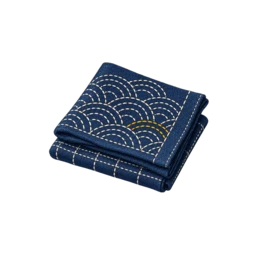
Denim, seams, patch edges and stiff finishes can create resistance. Mark those areas and stitch more slowly, using an appropriate needle and a less crowded pattern if needed.
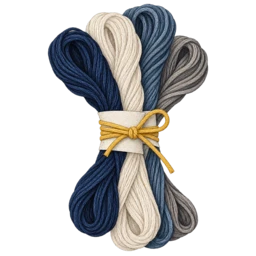
If the thread still breaks on a simple swatch, compare a fresh needle and a fresh section of thread. This separates a local damaged length from a broader compatibility problem.