
Look for the smallest repeat
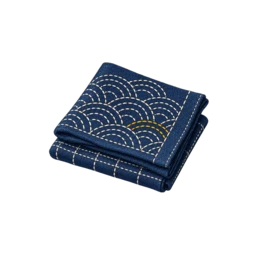
A pattern may appear large and complex while being made from one small unit repeated across the cloth. Find the unit before you start so you can check the scale and stop the design drifting.
A repeat that is too large for the cloth can leave awkward partial motifs at the edge. A smaller repeat can be easier to place and more forgiving when the first sample is not perfectly measured.
Compare lines, gaps and crossings
Two designs can use the same diagonal or curve but feel completely different because the gaps and crossings change. Thread weight and cloth colour also alter how open or dense the pattern appears.
Trace one unit with a pencil or removable marker and inspect it at normal viewing distance. The overall rhythm matters more than a single isolated intersection.
Choose a pattern that suits the hand
Choose long repeated lines if you enjoy steady motion. Choose a grid or small motif if you prefer frequent changes of direction. Choose a printed sampler if you want the geometry supplied while you learn the stitch.
Pattern choice should serve the fabric and the purpose of the piece. A repair needs enough open space for the cloth to move; a decorative sampler can carry a denser repeat if the layers remain comfortable.