
Use the real materials
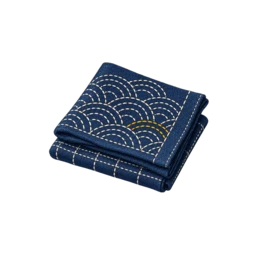
Cut or save a small piece of the same cloth you plan to stitch. Use the actual thread, needle, marking method and number of layers so the sample answers the question you actually have.
Label the swatch with the thread name, colour, needle and date. A short note is more useful than trying to remember why one sample felt better months later.
Test more than one line
Include a straight row, a corner, a crossing and any special repeat in the planned pattern. These areas reveal different problems with spacing and tension.
Make a second small section if you are deciding between a quiet and contrasting colour. Colour often looks different when it is surrounded by the real cloth rather than a product image.
Use the reverse as a decision tool
Turn the swatch over and look for long jumps, bulky ends, crossed lines and thread that has been pulled too tightly. The reverse can explain a front-surface problem that is otherwise hard to diagnose.
Keep the best swatch with the project materials. It becomes a guide for future repairs, matching colours and washing decisions.