

Start with a straight, quiet line
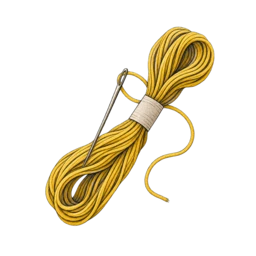
Choose a simple row on stable cloth and make two or three small stitches before drawing the thread through. Keep the needle parallel to the surface and avoid bunching the fabric more than it naturally allows.
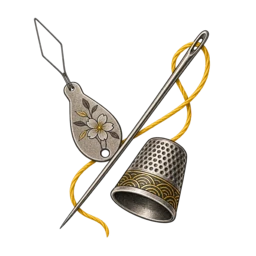
As the movement becomes familiar, increase the group only when the thread and cloth remain relaxed. A long needle can make the motion easier, but a longer needle is not automatically the right choice for every motif.
Release the thread without a snap
Pull the needle through smoothly, then let the thread settle. A sharp tug can shorten the line and draw several stitches together at once.
Smooth the fabric after each group. This small reset catches tension problems before they spread across the row.
Use single stitches where control matters
Switch to one stitch at a time around corners, crossings, small motifs, patches and any place where the cloth changes thickness. Control is more valuable than speed in a difficult section.
The best technique is the one that keeps the front and reverse tidy without making the hand or wrist work harder than necessary.