
Keep the path proportionate
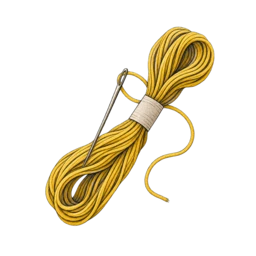
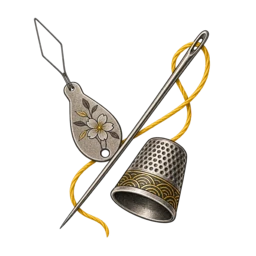
A very large needle can leave holes that remain visible after the thread is removed or washed. Start with the smallest eye and shaft that carry the chosen thread comfortably.
Test in the direction of the weave as well as across it. Fine cloth can respond differently when the point crosses warp, weft or a bias edge.
Reduce pressure and density
A fine needle does not make a dense pattern automatically safe. If the cloth begins to pucker or the thread cuts through, widen the spacing and reduce tension.
Use short working lengths while learning. They give you better control and make it easier to notice when the cloth is beginning to distort.
Inspect after handling
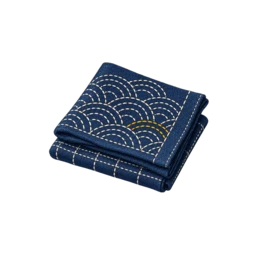
Turn the swatch over and look for pulled threads, elongated holes or snags around the needle path. The reverse often shows damage before it is obvious on the front.
If the fabric is too delicate for the intended thread and pattern, add a suitable backing or choose a more stable textile rather than forcing the needle through it.