
Start with the stitch structure
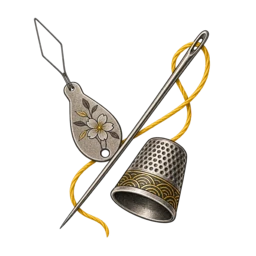
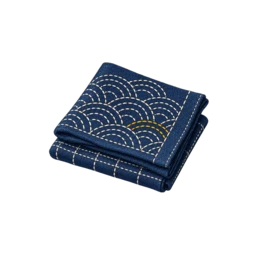
Kogin needles are commonly chosen to suit counted work on a particular fabric count, where consistent passes build a dense motif. Sashiko needles are often selected for comfortable movement through a wider range of cloth.
The product name is a starting point, not a guarantee. Compare the actual length, eye and point with the thread and fabric in your project.
Check the thread and eye
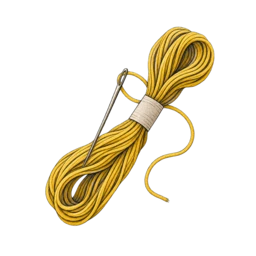
Kogin thread can be fuller and the counted cloth can be firm, so an eye that loads the strand cleanly matters. Traditional sashiko thread also needs enough room without making an oversized hole.
Thread a sample and count several repeats. If the eye damages the strand or the shaft drags across the weave, change the pairing before judging your technique.
Choose control over labels
A shorter needle may help a dense counted corner, while a longer needle may feel efficient on open sashiko rows. Keep both kinds available if your work moves between techniques.
Record the successful needle with the chart and cloth count. That note is more useful than a general rule because it preserves the exact conditions of the project.