

Choose a practical ground
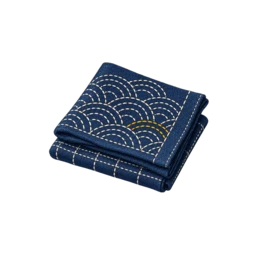
A woven cotton with a stable but flexible hand is a dependable starting point. Very loose fabric may distort under dense stitching, while very stiff cloth can lose the soft utility of the object.
Hold the fabric up to light and inspect the weave. Consistent threads make counted or transferred patterns easier to place and easier to keep square.
Plan for absorbency and washing
If the cloth will be used in the kitchen or as a hand towel, choose a fibre and weight that can absorb moisture and tolerate its intended washing routine.
Pre-wash when the fabric instructions allow it. Shrinkage after stitching can change the spacing and make a carefully measured border look uneven.
Finish the edges simply
Leave enough margin for a folded or secured edge and keep the main motif away from the turn. A pattern that runs into the hem can become difficult to wash and handle.
Test the completed swatch by folding and rubbing it gently. The useful result is a cloth that shows the stitching and still behaves like a cloth rather than a stiff board.