

Count the layers honestly
Fold the patch and garment as they will sit during stitching, then test a short line through the thickest area. A thread that works on the edge may struggle at a seam or overlap.
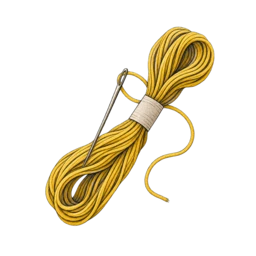
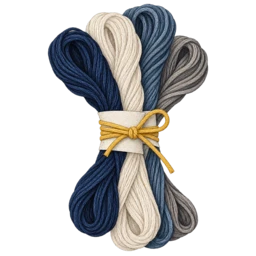
Use the lightest thread that still gives the coverage you want. More thickness is not a substitute for a stable patch shape and well-supported edges.
Choose flexibility over drama
A thick line can look excellent on a bag or flat panel but restrict a sleeve, knee or pocket opening. For moving garments, a finer thread and more open spacing often lasts better.
If you want a bold visual effect, keep the patch broad and the stitch field simple rather than increasing thread weight until the needle becomes difficult to pull.
Test the reverse and the edge
Layered repairs fail at transitions when thread catches a raw edge or creates a hard ridge. Inspect the back and flex the patch after several rows.
Finish with the same thread weight throughout unless a planned detail calls for a change. Consistent handling makes the repair easier to wash and easier to understand later.