
Running stitch is the useful starting point
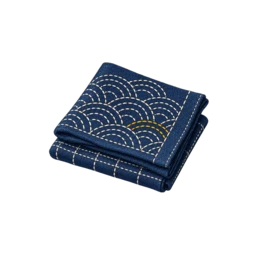
Many sashiko designs are built from repeated running stitches along marked, printed or planned lines. The visual character comes from the relationship between stitch length, gaps, direction and the shape of the pattern.
You can work a running stitch through one layer for a decorative cloth or through multiple layers when the project is intended to reinforce and join fabric. The materials still need to agree with the number of layers and the movement of the finished piece.
Hitomezashi builds a denser counted rhythm
Hitomezashi is often described as one-stitch sashiko because the pattern develops from closely planned individual stitches across a grid. The result can look denser and more woven than a simple line pattern.
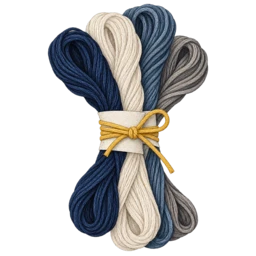
Choose a clear grid, a thread that shows without crowding the cloth and a method that lets you keep the spacing consistent. A small sample is useful because the pattern can change character quickly when the stitch length changes.
Kogin counts the open weave
Kogin patterns are formed by counting the fabric mesh, usually across a regular open weave. The structure of the cloth is part of the chart, so the needle and thread are chosen for a different material relationship from a standard sashiko sampler.
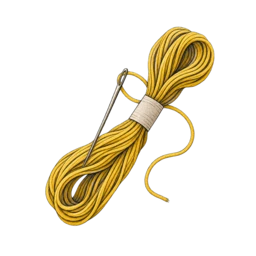
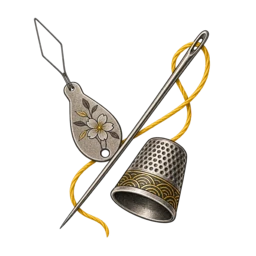
Purpose-made Kogin thread is fuller and Kogin needles are made for the thicker thread and longer counted passes. A Kogin project is a better fit when you enjoy charts, repetition and counting rather than following a printed line.
Choose the technique that matches the way you work
Choose a pre-printed sashiko cloth when you want to practise relaxed running stitches. Try hitomezashi when you enjoy a regular grid and a denser surface. Choose Kogin when counting the open weave is part of the appeal.
These techniques overlap in their care and patience, but their cloth, thread and needle requirements are not interchangeable. Start with the materials intended for the method rather than adapting a random kit after you begin.