

Reduce the pattern to roles
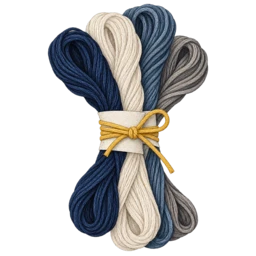
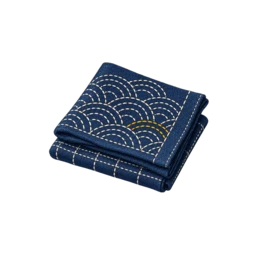
Mark the main motif, supporting repeats, borders and any open background. A single thread can unify the design, while two or three related shades can separate those roles.
Do not begin with a large shopping list. Place a few candidate threads on the actual cloth and remove any that disappear or compete with the main line.
Check contrast at distance
Step back from the swatch or take a quick photograph. Patterns often look balanced close to the table but lose their hierarchy when viewed as a whole.
Value contrast is usually more reliable than colour names. A muted shade can be more visible than a brighter one if it is sufficiently lighter or darker than the ground.
Record the order
Write down the thread brand, shade and the row or motif where it will be used. This prevents a successful sample from becoming impossible to reproduce.
If you change a colour while stitching, note why. Those decisions become useful information for a matching repair or the next panel rather than a mystery later.