
Use printed cloth to learn rhythm
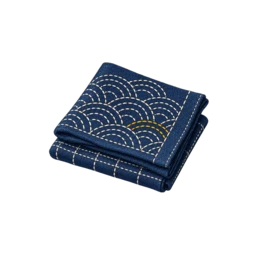
A printed guide reduces the work of transferring a pattern and lets you focus on stitch spacing, tension and how the needle moves through the cloth.
It is still worth checking the print, grain and edges before beginning. A guide cannot correct cloth that has been cut crooked or stretched during handling.
Use plain cloth for custom work
Plain fabric suits a repair, a personal motif or a design that must fit a pocket, seam or irregular patch. You can choose the scale and direction to match the object.
The preparation takes longer. Make a paper plan or small test first so the final transfer is based on a design that fits the available surface.
Compare the finishing process
Printed cloth may need a wash or other care step to soften the guide, while plain cloth requires marks to be removed or hidden. Follow the instructions for the actual fabric and marking method.
Many makers use both formats: printed cloth for practice and plain fabric for repairs or original panels. The skills transfer when the underlying stitch logic stays the same.