


Measure the stress
Ask whether the area bends, bears weight, rubs against another surface or is pulled at an opening. A decorative field cannot compensate for a patch that is too small or poorly placed.
Extend support beyond the visible damage and avoid concentrating every row at the old edge. Spread the load through stable surrounding cloth.
Build the layers carefully
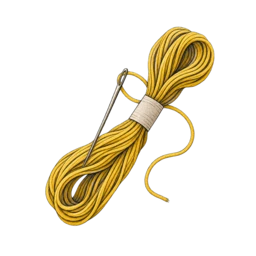
Choose a patch and thread with compatible flexibility, then secure the stack so it does not shift while stitching. Use a needle that can cross the layers without repeated bending.
More density can add structure but can also make a hard spot. Test a smaller field under movement before deciding that extra rows will make the repair stronger.
Plan maintenance
Hard-wearing items need inspection after washing and regular use. Look for frayed edges, pulled stitches and new thinning around the repair before a second hole appears.
A visible repair is allowed to evolve. Add a new patch or a few supporting rows when the garment shows a real need, keeping the same practical logic rather than chasing a perfect first finish.