


Decide how visible you want the repair to be
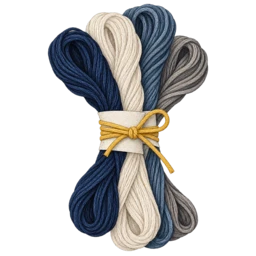
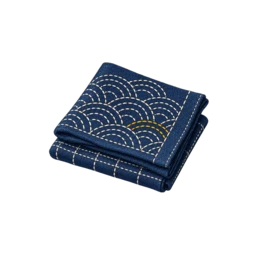
For a quiet repair, choose a thread close to the denim, shirt or patch colour and let the stitch texture do the work. For a more expressive repair, choose a high-contrast colour that makes the pattern easy to read from a normal distance.
A repair can sit between those two choices. A darker blue on mid-wash denim, a muted red on brown cloth or a soft neutral on a patterned patch can give definition without making the thread the only thing you notice.
Let the garment guide the palette
Look at the colours already present in the garment before choosing a new thread. Pulling one quiet colour from a label, seam or existing print can make a contrast feel intentional. If the garment is already busy, a single restrained thread can keep the repair calm.
Consider how the garment will be washed and worn. A very pale thread may show marks quickly, while a deep colour can make lint or fading more noticeable. The best colour is one you will be happy to see change with use.
Use variegated thread with a simple pattern
Variegated or resisted thread can create movement without changing colours by hand. It often works best when the stitch path is simple enough for the changing colour to remain legible rather than competing with a dense motif.
Make a short sample before committing to a large repair. The colour intervals can appear very different in a straight row, a grid and a series of short turns.
Keep the thread and patch compatible
Colour cannot compensate for a thread that is too heavy for the patch or a needle that damages the cloth. Check the material pairing first, then choose between close and contrasting colours within that workable range.
Keep a small offcut or thread sample with the garment. It makes future repairs easier when the original colour is no longer easy to identify by memory.